Slow Living and the Golden Mean
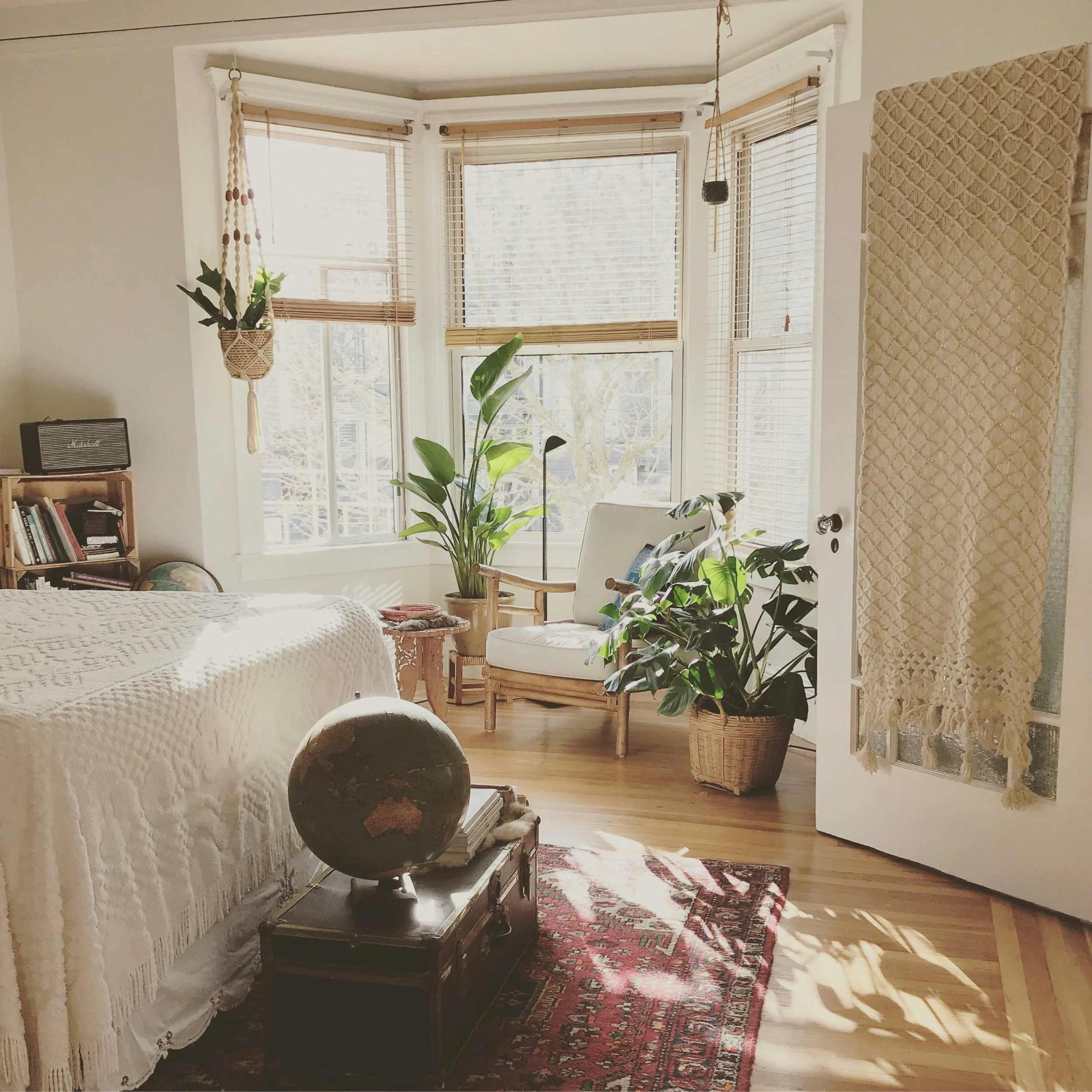
Photo by Timothy Buck on Unsplash
“I’m not sure who needs to hear this, but if your idea of homemaking is the soft girl slow-living life, you might be doing it wrong. I go to bed each night exhausted, and that’s a good thing because it means I used all of my gifts and energy for today to build up my home. It’s a wise investment.”
I recently saw this statement, and it bothered me enough to want to address it. I’m purposely not saying who said it because I’m not arguing with them; I’m wrestling-ruminating-examining with what they said.
Side Note: This was a good reminder of why I largely avoid social media. When I don’t, I tend to spend my day arguing with people in my head, which isn’t healthy. Also, this was a single statement with no context, nuance, or larger conversation. It was simply what I quoted above. The other problem with social media is there is no conversation, just judgmental statements.
As human beings, we are so easily pulled between one extreme or another, and we are so quick to make value-statements by which we exalt ourselves and judge others. (I’m just as much at fault here as anyone else. It’s easy to do.) In my personal experience, most women need to be told to go slow and be soft. We’ve spent much of the younger parts of our lives being frantic and hard. We’ve destroyed our adrenal glands, our nervous systems, and our menstrual cycles so we can go all the time and prove that we can do it all (just like a man). Slow and soft living is the only way to heal our minds and bodies and the only way to break the addiction to chronic stress and franticness.
This statement that sent me down the rabbit hole suggests that going to bed exhausted is the standard by which we judge the good work of our day. First off, I don’t know many women who don’t go to bed exhausted, slow living or otherwise. I’m typically exhausted by 530. I wouldn’t be going to bed if I wasn’t exhausted. I wouldn’t be stopping if I wasn’t exhausted. We all wouldn’t fall asleep as soon as we sat down if we weren’t exhausted. (Who is this magical unicorn going to bed when they feel refreshed and rejuvenated?) But, ladies, I’m here to tell you that this concept as a standard is a great way to destroy your long-term health. This is the kind of statement that pours false guilt onto sensitive women. They read something like that and suddenly nothing they’re doing is enough. It also makes women go to bed exhausted, not because they used today’s energy, but because they used tomorrow’s, and next week’s, and next month’s energy today. In some vain attempt to earn the right to go to bed and be viewed as wise, to do the job well and excel, women will break themselves mentally, physically, and spiritually.
My goal isn’t to go to bed exhausted. When I get exhausted, I’ve pushed too hard and it’s going to cost me tomorrow and possibly the day after that. I’ve specifically trained myself not to judge the value and productivity of the day by how I feel at the end of it. If I start to get exhausted, I slow down or even stop. Pushing myself to the point of exhaustion every day is detrimental to my health and keeps me from helping my family and my community.
Is it great to have a day of hard physical labor that drops you into a deep, contented sleep? Of course it is. But women weren’t designed to do that every day, and we often can’t. Much of our work in the home is more mental and emotionally laborious than physically laborious. This is why we exercise and do weight training.
I think what she is trying to address is the temptation to be idle.
Idle: (OneLook) Averse to work, labor or employment; lazy; slothful; of no importance; useless; worthless; vain; trifling; thoughtless; silly; not being used appropriately; not occupied; no important, or not much activity; not engaged in any occupation or employment; unemployed; inactive; doing nothing in particular.
This is a temptation we all face every day. Being idle is dangerous and is the ground from which many weeds are produced. Being idle is just as bad for our physical, mental, and emotional health as is constant exhaustion. The answer to idleness isn’t chronic franticness and stress. An idle woman may be chronically frantic, anxious, and exhausted (she probably is).
We must look to the goals when we do things. We must ask ourselves what the point is and what is being produced in us and our homes by our actions.
Rest (which isn’t only sleeping) is productive. Recreation is productive. Work is productive. Franticness isn’t. Busyness isn’t. Laziness isn’t. Honestly, exhaustion isn’t productive either.
Are there going to be women who take the concept of soft girl slow-living and twist it into an excuse to be idle? Of course. We twist everything. But as far as I’m aware—and what I mean when I strive for and talk about it—slow living is making the choice to stop using exhaustion and stress as our measure of success. Most of the women I know don’t need to be encouraged to be exhausted by the end of the day. They need to be encouraged to say no more and rest and recreate more. Working to a point of depleted exhaustion every day is bad for our mental, emotional, and physical health. Not engaging in productive work and activities and rest is also bad for our mental, emotional, and physical health.
This is why we need a golden mean. We need to have a bucket in one hand and a bucket in the other that act as counter-balances as we strive to walk the golden line in the middle. We take two things that seem to be opposed and allow them to create a helpful tension.
Work and Rest.
Both are necessary.
They’re the opposite sides of the same coin.
In one hand we hold the bucket of work and in the other the bucket of rest. This keeps us in the golden mean and away from chronic franticness, abundant stress, idleness, and laziness.
We weren’t created to go 24/7 until we break. Breaking ourselves isn’t our goal. Neither were we meant to rest ourselves into sloth. We’re meant to work and rest in a balanced way.
The other thing we need to watch out for is taking our personal work-rest ratio and holding it up as the perfect standard by which all others should be judged. What the golden mean is for one woman and household may be either slothful or frantic for another. Keep your eyes on you, guard and garden your heart, test your ratio, and trust I’m doing the same for myself.
The real challenge is that the amounts you pour into your work-rest ratio will change. Different phases of life demand different ratios. Month to month things change, and for us women, week to week, and day to day, they change. The ratio I functioned with yesterday may not be the ratio I can function with today. This morning’s ratio is different than this evening’s ratio. December’s rest looks different than January and July looks different than September. Twenties look different than forties. Toddler stages look different than teen stages. Maids look different than Crones. We have to constantly re-evaluate our ratio, checking for extremes. A fair amount of December, I lingered longer over my writing and coffee in the morning. It was a great way to be creative and enjoy a slower start. By the first week of January, I was ready to tighten up and get going at 6am. I wanted my 30 minutes back so that I can use the time when my energy is highest to work on my home. The ratio changed. It changed in December and again in January. My ratio isn’t going to be your ratio. You may put more in the work bucket and less in the rest or vice versa. The important part is to examine yourself and judge why you’re doing what you’re doing and what you hope to gain. Are you taking that afternoon nap so you can be better equipped for the rest of the day? Or are you taking a nap to avoid your responsibilities or because you’re bored? Are you saying no to that invitation because everyone is strung out and fatigued and the house is a disaster? Or are you saying no because other people are inconvenient? Only you can find your golden mean. Stay on alert for the extremes of franticness and idleness. Stay on alert for setting yourself up as the standard and judging everyone else.
What it all came down to for me when I saw that statement was that it made me sad. It is so common for women to overdo it and then develop health issues. Exhaustion should never be the standard by which we judge our productivity. In fact, it may be a better indication that we’re being frantic instead of steady. If we don’t maintain a balance between work and rest, our bodies will force us to stop. Go slow, go soft, go gently, be sturdy, steady, and stable.
“I’m not sure who needs to hear this, but if your idea of homemaking is an idle, easy life, you might be doing it wrong. We should go to bed each night ready to contentedly sleep because we used all of our gifts and energy for today to build up our homes, which is a worthwhile investment.”
There, I fixed it.

If you’d like to join our GroupMe chat, click the image above. We are largely a word-of-mouth community, so if you are enjoying our content, please share our articles and podcast episodes with fellow homemakers-maids, matrons, and crones. We would love to have you join the conversation.

Visit Vulgaris Media or find our book on Amazon.

Thank you for the wonderful editing, Sarah!