The Oddity of the Inner Life of the Author: Seasonal Settings
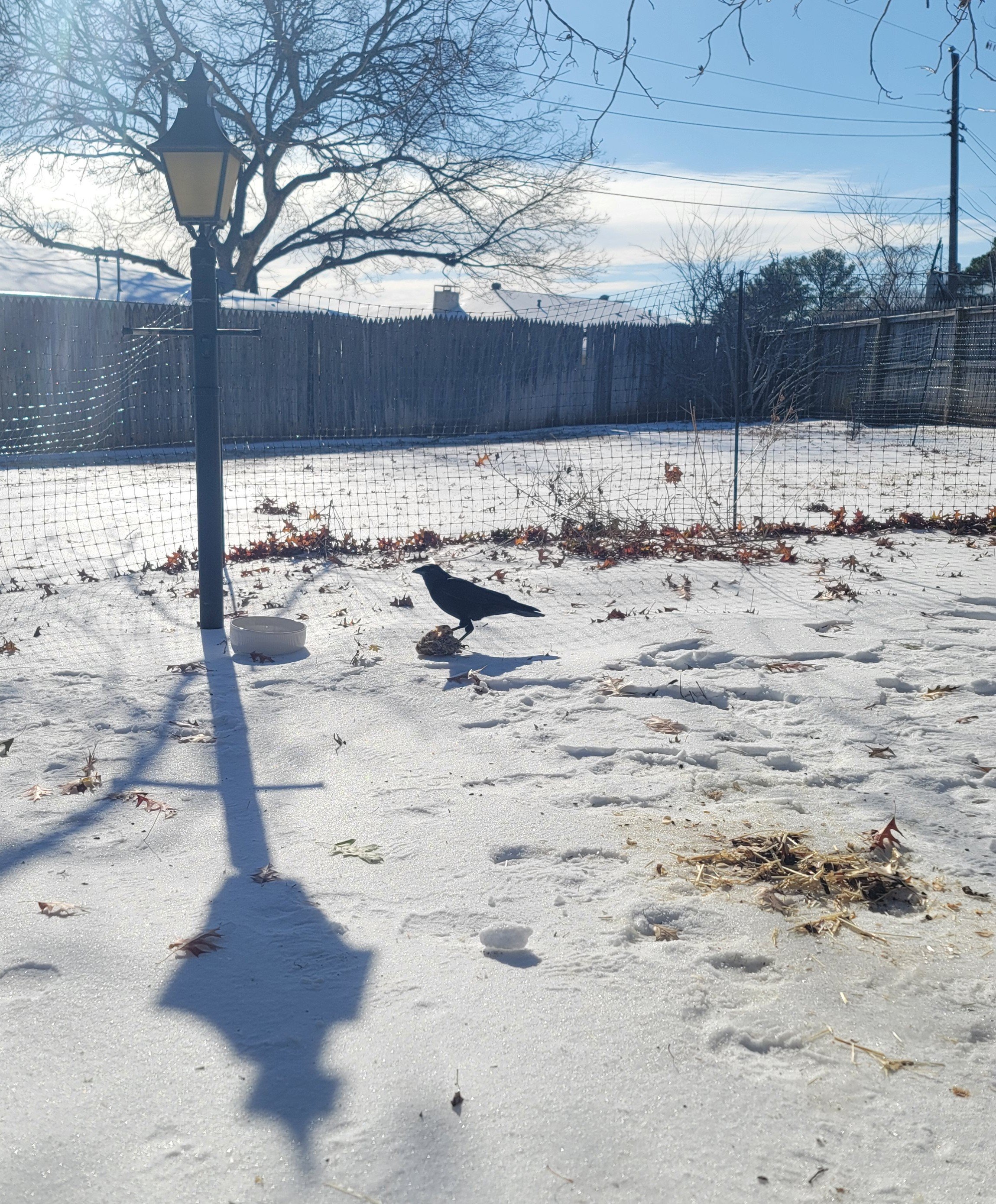
Seasons are one of the many tools in the author’s tool chest. The dark green sea-chest where I store such things as someone’s odd wording, the skunk I smelled the other day, the feel of velvet as I run my hand across it, pain from a cut, and a whole tray of bits and bobs of random facts I’ve gathered from the heather of life has a large box of seasons tucked in the corner. When I’m putting together a tale, I often ask myself what season surrounds this tale. This isn’t just for the sake of consistency, though that is important. You can’t have a character dramatically popping the collar of his coat when he should be wearing shorts. It isn’t just for the sake of setting, though that is also important. A book set in the frozen tundra of Canada will be different than a book set on a beach. Research will travel down opposite paths. What a character needs on a beach might involve big and tiny umbrellas. What a character needs in the wastes of snow and ice might involve fur, guns, and fire. But there is a third element here as well: atmosphere.
As an author, I often choose my seasonal setting for the sake of ambiance.
The seasonal setting of my story becomes the putty I mold and form into tone, feel, and the intangible mood. It is what I bend and weave, tease out and toy with to build wonder and terror in a reader. Seasonal descriptions set the emotional stage for my character’s actions.
If you live somewhere with seasons, each season has a different tenor. Spring has a flush of new life and works well with romances, young adult, adventure. Summer has relentless oppression (I’m a Texan). It gives stories a blinding heaviness. Autumn has a quality of quiet, sadness, beauty, and contemplation. Autumn stories are infused with a siren song of change, both a lifting up from the heat of summer and a turning in as winter comes.
Winter is my favorite seasonal setting.
Granted, I love working within an autumnal setting almost as much. There is, as Anne would say, scope for the imagination.
But winter is my favorite.
Wintertime contains a whole sandbox worth of options, a spectrum ranging from horror to fairy tale magic. Winter nights with the right amount of cloud cover are filled with more ambient light than other times of year when the moon is full. But the light is wrong. It feels like it’s coming from everywhere and nowhere. It’s ghostly. It is to be in a different world. Your familiar and safe backyard is all there, but the edges of the blades of grass, leaves, and branches have been softened into a spectral whiteness that isn’t quite right. It sends shivers down your spine, at the same time drawing you out into the netherworld of snow-light. Other winter nights are so blue it arrests you as you pass by the window. A navy filter has shrouded the world. And then you have the crisp nights where the stars seem closer, younger, louder. Every breath is a draught of sharp laughter passing deep down inside you and rising out in a warm tingle back into the clear night. What can be subtly communicated to the reader is vast. You can whisper from beside them about otherness or openness. You can lift them into the vaults of heaven or bury them in a cold, white grave. Everything around them is both familiar and unknown. A winter night is fraught with danger, mystery, and a large helping of uncanniness.
Then we raise the sun! Wintery days become fairy worlds when the sun is high. Winds bluster snow off the rooftops filling the very air with crystal and diamonds swirling and dancing. Ice laces branches in glass. Boughs tingle as they rustle and twinkle with formal wear-magic. Light reflects more from below our feet than above our heads. White ground, white roofs, brilliant blue sky! Navy shadows paint the snow with a different work of art every second as the sun flies across the heavens. The world becomes richly, sharply monochromatic, highlighting the deep grays and browns of trees, the brightness of winter flowers, the intense orange of fire. A winter’s day gives an author glitter.
The thaumaturgy of a winter setting is the wide-open field of horror and beauty. Winter can kill an unprepared human even in the middle of a city. It can drive, sting, nip, and bite. It can stop, shut down, and destroy. The smallest task becomes almost impossible in the winter. Some days, the only goal is to make it through the day alive or through the unending, slowly dropping, refreezing night. Dangers are hidden under supposed purity. One can crash through a crust to be cut, wounded, or drowned. Things aren’t what they seem. Swift death hides beneath the beauty. A used-to-be-known world slides away below our feet. Freezing fog and hoarfrost remind little humans that “mother nature” is not gentle or kind. At the same time, winter covers our pockets of the world with a soft blanket and sends everyone to sleep. It whispers of hot things to drink, books and nooks, chubby birds, soups and stews, slipping-sliding-red-cheeked play. It closes schools and businesses, releasing children and teachers and employees into a softer, slower set of days. Winter calms life into a who-knows-what-day-it-is-and-who-cares just when we start to recover from Christmas gently, gently giving us just a bit more time to be home.
This is winter to me. I love the juxtaposition of magical coatings of ice, icicles, glinting snow, the smell, the muffling of noise, the way it highlights birds’ color, the crisp air drawn deeply in, healing, the sound of children of all ages delighting in the freedom and the slipperiness with the otherness, the ghosty light not exactly where and when it is supposed to be, the cold, the danger, the entrapment, the fear winter can raise up.
Choosing the seasonal setting is to choose—
Life can change in a moment. You can be working on the use of seasons as a writer during a few snow days and then you can be calling 911 and rushing to the hospital. It is important to me to mark this moment, to interrupt this article, this flow of thought, because that is exactly what happened in my life. It was as dramatic and scary as opening this document a week later and seeing the unfinished thought and knowing how close I came to being a widow. So while I just completely destroyed the romantic and beautiful tone of this article, it is a perfect metaphor for what happened. My life tone changed, and those changes are still reverberating out, and many are still largely unknown. I am grappling with having an eternal mindset and having a present mindset because we never know when it will be the last time we will hug those we love, say goodnight, or even have a sense of normal. I’m sure more articles about this, both as a writer and a homemaker, will be forthcoming. Meanwhile, I’m going to attempt to find a few pockets of normal, even while I’m vigilantly listening to my husband sleeping in the other room as I finish this article.
Choosing the seasonal setting is to choose our setting, our description-al consistency, and most importantly, our ambiance. The ethereal, silent song fluting in the background of the story sits with our readers long after they’ve closed the cover. Seasons are part of the orchestra engaged in creating that swelling song that would only be heard if it suddenly fell silent. What season is your favorite to pluck from your author tool chest? Do you change from story to story? Or do you return over and over to the same season, exploring some new twist and turn of nature?
Being an author is an odd thing.
While we all wait for Wizard Prison to be finished, may I suggest checking out our debut novel? It is, shockingly, set in the winter.
Thank you, as always, for the edits!